
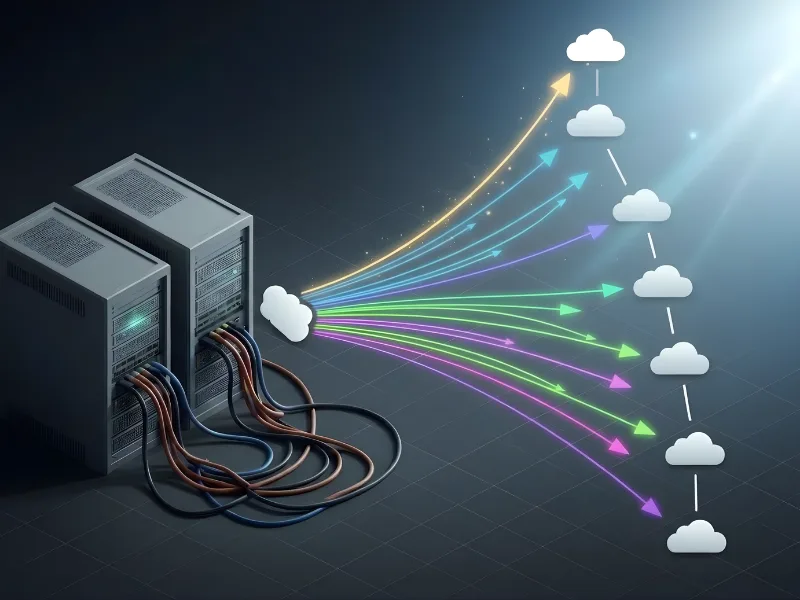
For many mid-market and enterprise organizations, specialized Electronic Data Interchange (EDI) platforms like SPS Commerce have long served as the backbone of supply chain operations. These solutions are highly effective for standard B2B compliance and high-volume document exchange. However, as business requirements evolve toward real-time data, cloud-native ecosystems, and unified governance, IT leaders must evaluate whether a single-purpose EDI platform or a multi-purpose iPaaS like Boomi better serves their long-term architecture.
At RESKOM we have worked with enterprises looking to modernize their integration needs with Boomi, and also companies moving away from specialized EDI solutions like SPS Commerce. This article is intended to act as a guide on areas where Boomi can provide an edge over traditional EDI solutions.
CIO TL;DR
Traditional EDI platforms excel at managed compliance and document-heavy supply chains. Boomi offers a strategic advantage for enterprises requiring real-time APIs, master data synchronization, and a unified governance plane across both B2B and internal application integrations.
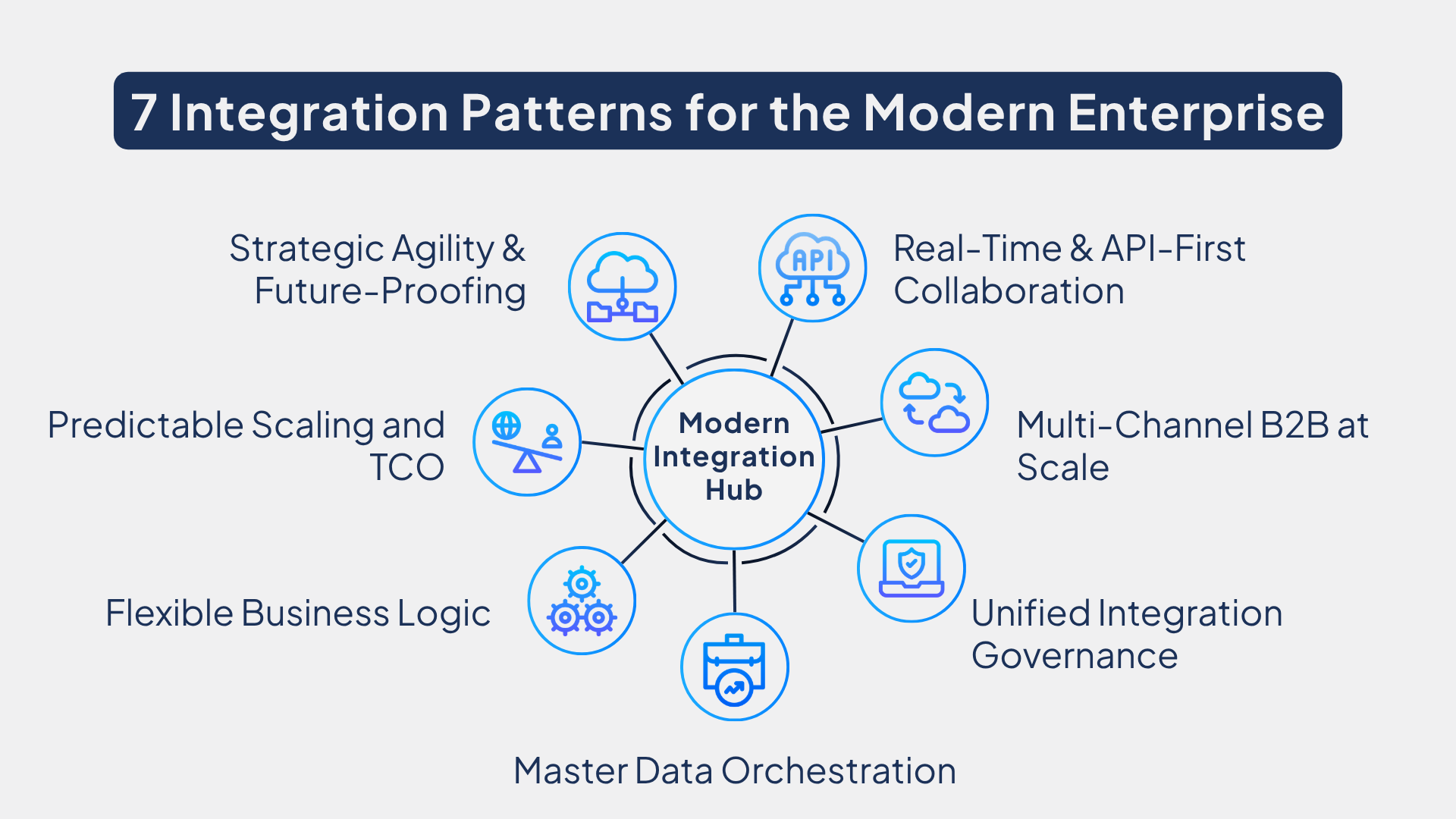
1. Real-Time & API-First Collaboration
Traditional EDI is fundamentally built on batch processing, a model where data is collected and transmitted at scheduled intervals. While this is sufficient for traditional retail, modern omnichannel environments often require lower latency.
Boomi natively supports event-driven architectures and REST/GraphQL APIs. This allows for real-time inventory visibility and immediate order acknowledgments. If your business model depends on instant data availability rather than 4-hour batches, an API-led platform provides the necessary infrastructure.
2. Multi-Channel B2B at Scale
Supply chains are increasingly hybrid. While an established retail partner might require ANSI X12 EDI, a startup vendor or a modern 3PL might prefer JSON-based APIs or webhooks.
Traditional EDI platforms are document-centric, which can make managing non-EDI formats complex. Boomi treats EDI, APIs, and flat files with equal importance within a single designer. This flexibility allows enterprises to onboard a diverse range of partners without maintaining separate technical silos for different communication protocols.
3. Unified Integration Governance
A common challenge with single-purpose EDI tools is the creation of fragmented monitoring. IT departments often find themselves managing EDI in one portal and application integrations (like Salesforce to NetSuite) in another.
Boomi acts as a single governance plane. It provides a consolidated view of security audits, data lineage, and error handling across all integration types. For CIOs looking to reduce “tool sprawl” and simplify the monitoring stack, consolidating B2B and application integration onto one platform offers significant operational efficiency.
4. Master Data Orchestration
Standard EDI platforms focus on the movement of documents: orders, invoices, and shipping notices. They are not typically designed to manage the underlying data quality.
Boomi Master Data Hub (MDH) allows organizations to synchronize “Golden Records” (such as Product or Customer masters) across all trading partners and internal systems. When an SKU is updated, Boomi ensures that update is reflected everywhere, preventing the data drift that often occurs when EDI is treated as a separate island of information.
5. Flexible Transformation & Business Logic
Traditional EDI transformation engines are highly optimized for industry standards. However, they may lack the agility needed for complex business logic, such as dynamic pricing rules or conditional routing based on real-time warehouse availability.
Boomi’s engine allows for complex scripting and custom logic to be embedded directly into the integration process. This enables the integration layer to handle sophisticated “Order-to-Cash” rules, keeping the core ERP system clean and focused on its primary functions.
6. Predictable Scaling and TCO
The cost structure of traditional EDI often involves transactional fees, essentially a “tax” on business growth. As document volume increases, so does the vendor cost.
In contrast, Boomi’s connection-based model is designed for architectural scale. For enterprises with high-volume or highly frequent data exchanges, the predictable cost of an iPaaS connection often results in a more favorable Total Cost of Ownership (TCO) over time compared to per-document pricing models.
7. Strategic Agility and Future-Proofing
The ultimate consideration for a CIO is agility. A single-purpose EDI tool is an excellent choice for businesses with static, predictable supply chain requirements. However, for enterprises undergoing digital transformation, the ability to pivot, adding new cloud apps, moving to a new ERP, or launching an API marketplace is important to be future-ready.
Choosing Boomi ensures that your B2B capabilities are integrated into your broader digital strategy, rather than existing as a legacy bottleneck that must be managed separately.
Assessing Your Integration Maturity
The right choice depends on your specific landscape. If your primary need is outsourced EDI compliance at massive scale with minimal internal overhead, legacy platforms remain a strong contender. However, if your roadmap includes real-time orchestration, master data integrity, and unified governance, a modern iPaaS like Boomi is likely the more resilient choice.
At RESKOM, we help mid-market enterprises assess their integration maturity and architect platforms that scale as businesses grow. If you’re evaluating or migrating from legacy EDI platforms, reach out to us for an architecture review with our team.
FAQs
What is Electronic Data Interchange (EDI)?
Electronic Data Interchange (EDI) is a standardized method for exchanging business documents like invoices and purchase orders between companies electronically.
How is Boomi different from traditional Electronic Data Interchange?
Boomi is an iPaaS platform that supports real-time APIs, data integration, and governance, while Electronic Data Interchange primarily focuses on batch-based document exchange.
When should businesses move beyond Electronic Data Interchange?
Businesses should consider alternatives when they need real-time data processing, API integrations, or unified governance across multiple systems.
Can Boomi replace Electronic Data Interchange completely?
Yes, Boomi can handle EDI along with APIs and other integration formats, allowing businesses to consolidate multiple integration tools into one platform.
What are the limitations of Electronic Data Interchange?
Electronic Data Interchange is limited by batch processing, rigid formats, lack of real-time capabilities, and difficulty in handling modern integration needs.
Is Electronic Data Interchange still relevant today?
Yes, Electronic Data Interchange remains relevant for compliance-heavy industries, but modern enterprises often combine it with platforms like Boomi for flexibility.